
Water Testing: What It Is, How To Do It, and Regulations in BC
One of the most detrimental procedures to ensure the well-being of your HVAC system, and more importantly the people who live and work in the building, is water testing. Water testing is the analyzation of various properties such as chemicals and bacteria in water to make sure it's safe to drink and use for air conditioning, heating, etc.
Regulations in Vancouver
Under the BC Drinking Water Protection Act, drinking water must be tested regularly, with many institutions such as Metro Vancouver and UBC testing it daily to ensure it's potability.
For water used to carry out certain purposes in systems like air conditioning, it is required for the water to be regularly tested at least once a year, if not more often. Failing to do so results in health risks to the occupants of the building, and danger to the machine the water is stored in, since it can cause corrosion (with high levels of metals) and other safety hazards.
Regulations in Burnaby/Eastern Regions of BC
Although testing drinking water is mandatory in all of BC (as mentioned above,) testing water in HVAC systems is not compulsory in Eastern regions of British Columbia, like Burnaby. Not testing water for its chemical and biological composition on a regular basis significantly increases the risk of illness and damage to your system, therefore not being obligatory to test water in these regions of BC results in some businesses cutting corners to save money.
Even though water testing may not seem like a priority, it's important to do it routinely for the well-being of yourself, others, and to prevent future issues—especially since more exposure=more danger to be contaminated. Below are some ways to test the safety of your water, as well as some types of microbes tested for.
Examples of Properties Tested
ATP: Adenosine Triphosphate is a molecule that provides energy to all types of cells. In water treatment, ATP testing is one of the most effective ways to identify the amount of microorganisms in water, since the presence of ATP signals there is contamination of microbes/bacteria in your HVAC system.
Legionella: A bacteria that can potentially multiply in man-made water systems such as cooling towers and complex plumbing systems. Exposure to legionella leads to the possibility of contracting disease, therefore this is an important property to test for in your water.
Traditional Procedures for Water Testing
There are multiple ways to test your water:
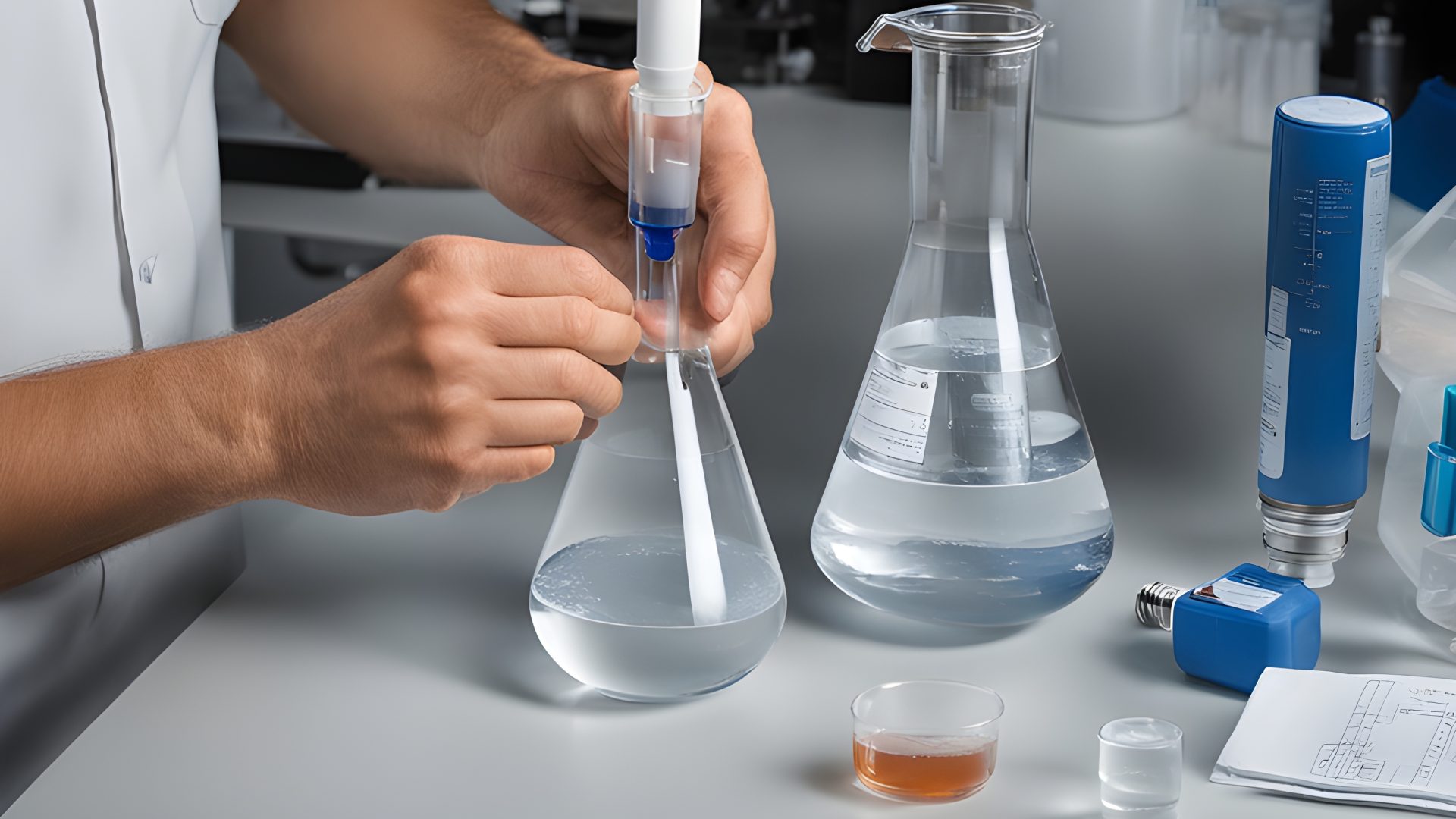
- Laboratories: Sending your water to a certified lab is probably the most common way to measure for biological and chemical contaminants. This generally costs a fee, varying in price depending on the amount of qualities tested.
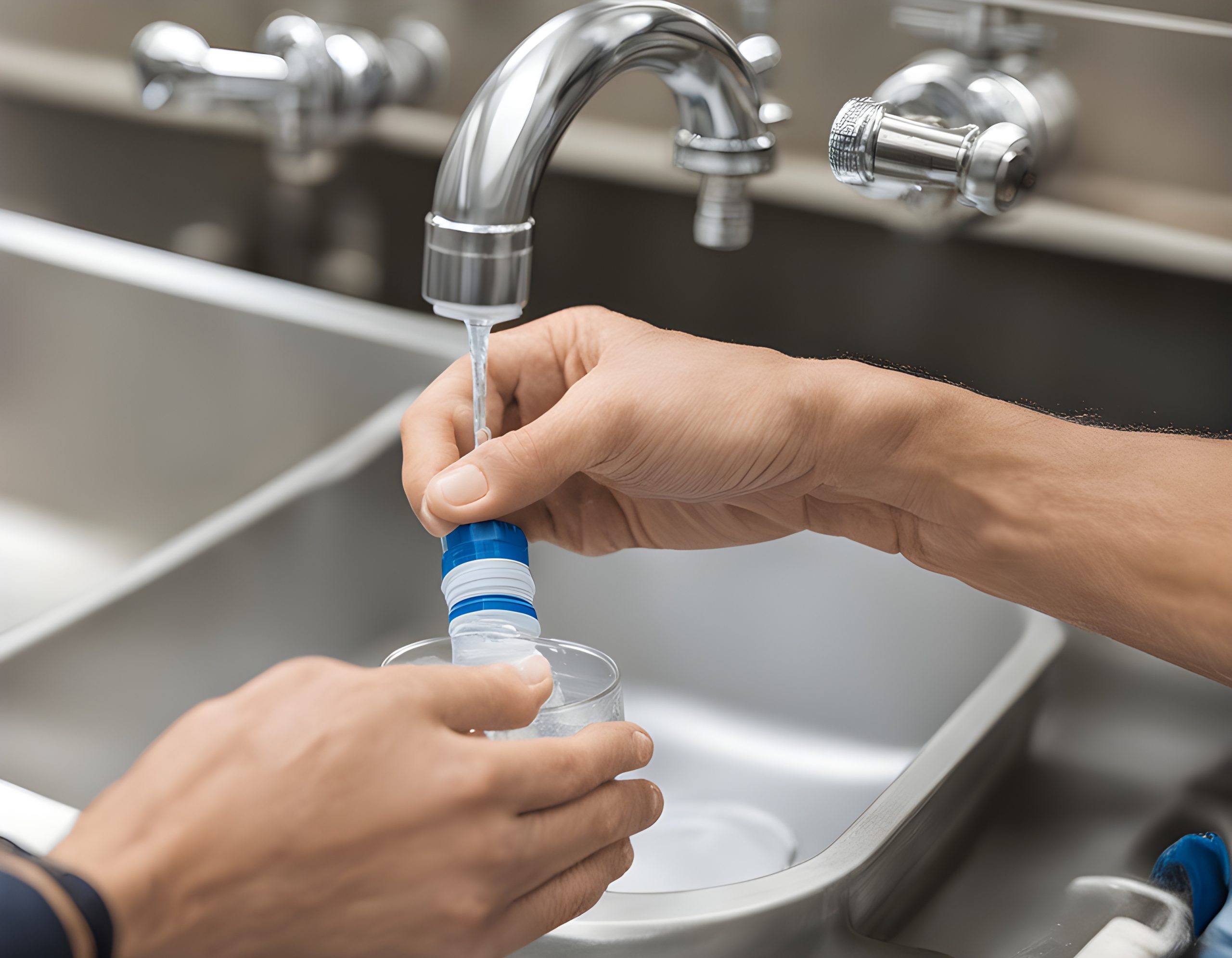
- Water Testing Kits: Although there are many options to purchase online, these kits lack the accuracy needed to test for more specialized properties, such as the ones mentioned above. However, they are usually reliable to test for basic things such as pH.
- Included in company services: Some organizations provide the tools/materials needed for water testing in house. They will (hopefully) also demonstrate how to do it yourself. This is a more precise way to do so, as these types of tests are usually specialized to measure exactly what needs to be tested (eg. Legionella,) rather than a kit meant to test more general qualities.